The Special Focus Series offers unique courses, tailored to address some of the most pressing topics for radiologists today.
The series includes both online and onsite courses, in a range of different formats.
From oncology and mental health to teaching skills and sustainability practices, the Special Focus Series aims to give you the skills modern radiologists need.
Following last year’s popular course, we are now offering an updated and expanded session on writing and publishing in an AI environment. Journal AI policies are evolving to keep up with the pace of technology and we now offer a fresh treatment covering the responsible use of writing tools, predatory journal identification, and the importance of peer review process.
This session follows up and expands on last year’s session on writing a PhD, offering more advice and insights that might help you decide if a PhD is for you.
This course provides a practical, evidence-based overview of lung cancer screening, focusing on successful implementation, low-dose CT interpretation, nodule management, quality assurance, and participant engagement.
The course also explores different approaches to lung cancer screening across Europe, highlighting national experiences, implementation strategies, and lessons learned.
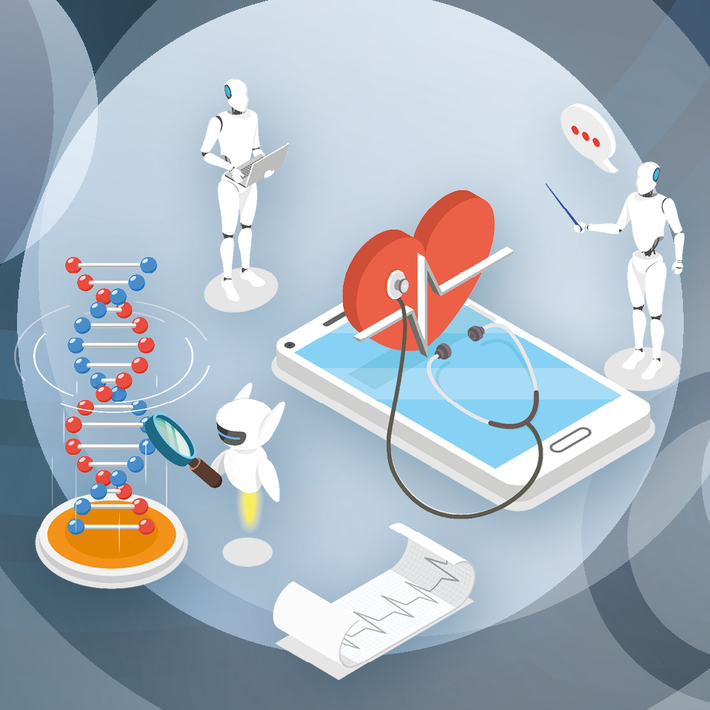
A dedicated session on artificial intelligence will address AI-assisted screening, performance benchmarking, and emerging applications.
Through expert lectures, case-based sessions, and interactive discussions, participants will gain practical insights into managing positive screening findings, avoiding overdiagnosis and overtreatment, and applying current guidelines in clinical practice.
During this webinar our speakers will translate the regulatory and legal landscape into practical, scenario-based guidance to help you understand medicolegal responsibility, liability, and the EU AI Act.
As part of a new ESR partnership with Euro-BioImaging, this session introduces members to a concrete research asset: open access to imaging technologies, analysis services, and FAIR data support across European nodes.
The course series has been granted a total of 5 European CME credits (ECMEC®s) by the European Accreditation Council for Continuing Medical Education (EACCME).
Each indivual course has been granted 1European CME credit (ECMEC®) by the European Accreditation Council for Continuing Medical Education (EACCME).
Certificates with CME credits will be issued only after watching the live stream and completing an online evaluation form.
No CME credits will be available for watching on demand.